Exploring Seasonal Events and Their Community Impact
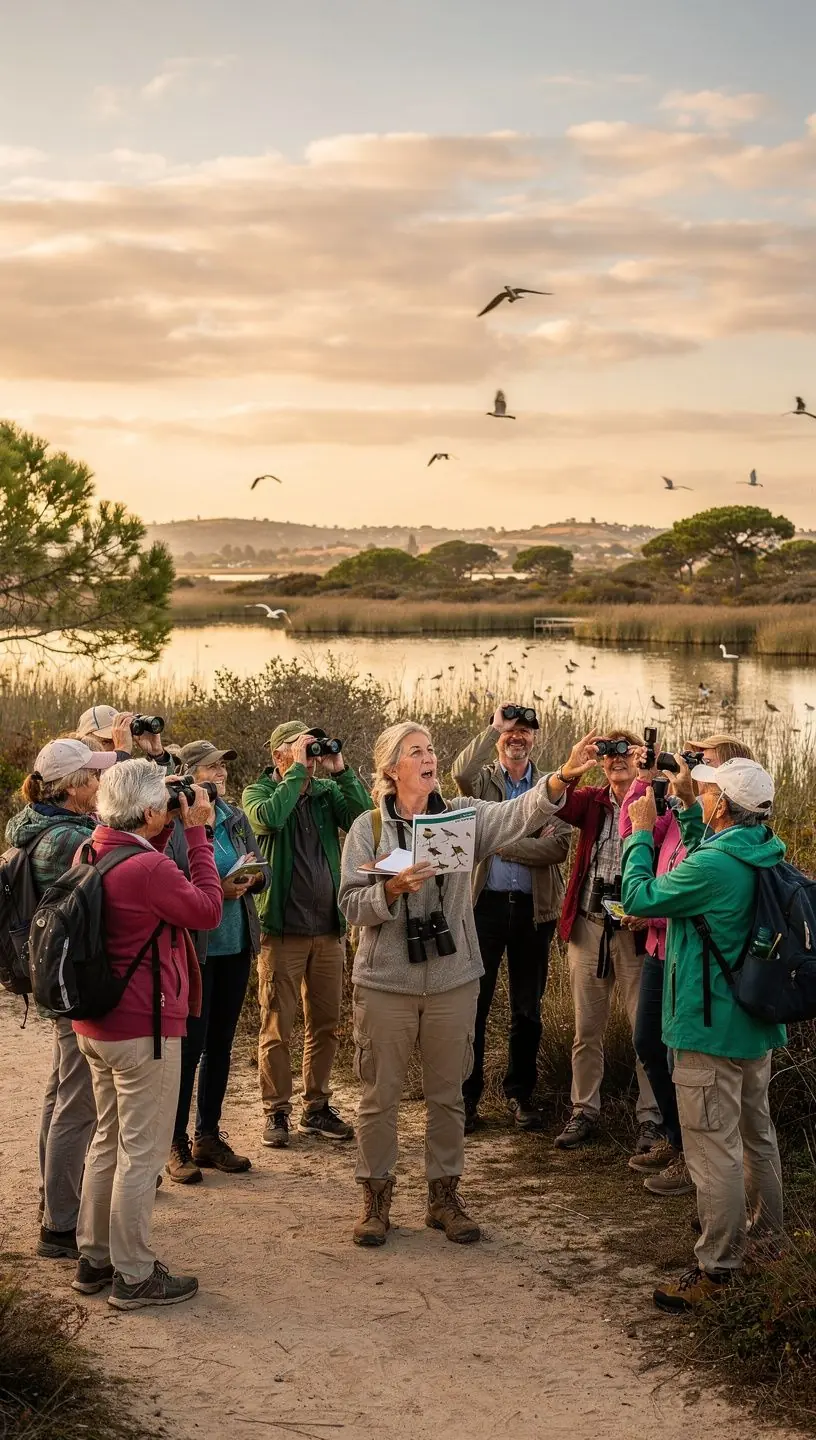
As communities evolve, seasonal events play a crucial role in fostering local engagement and enhancing social connections. In this article, we delve into how these events can impact neighborhoods, particularly for adults aged 40-60, and why they are vital for community cohesion.
Understanding the Importance of Seasonal Events
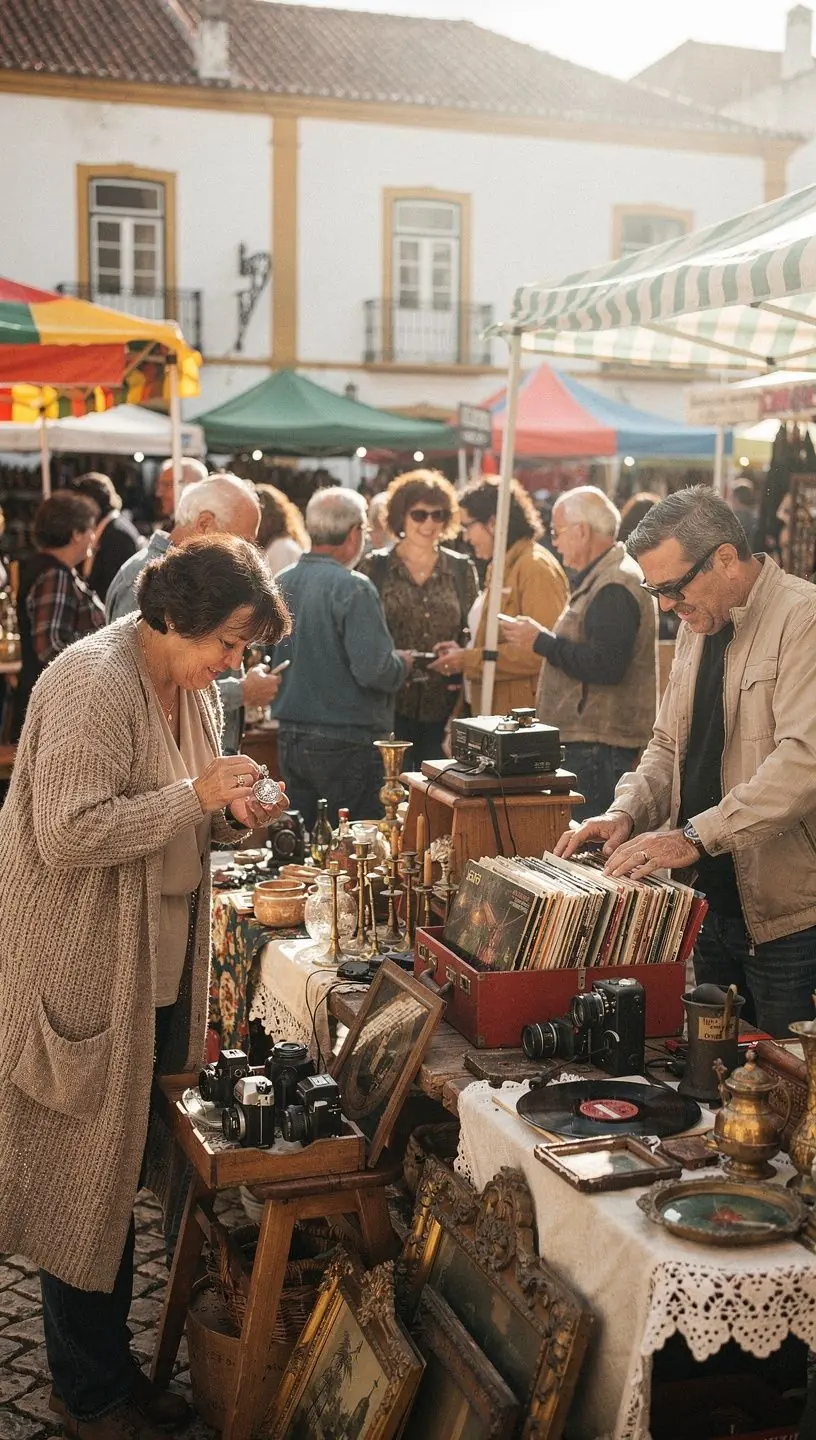
Seasonal events, such as festivals, markets, and cultural celebrations, serve as hubs of activity that bring people together. According to research from the National Endowment for the Arts, events that promote community involvement can contribute to a sense of belonging and improve overall quality of life. Experts recommend that participating in these events can enhance social interactions and create lasting memories.
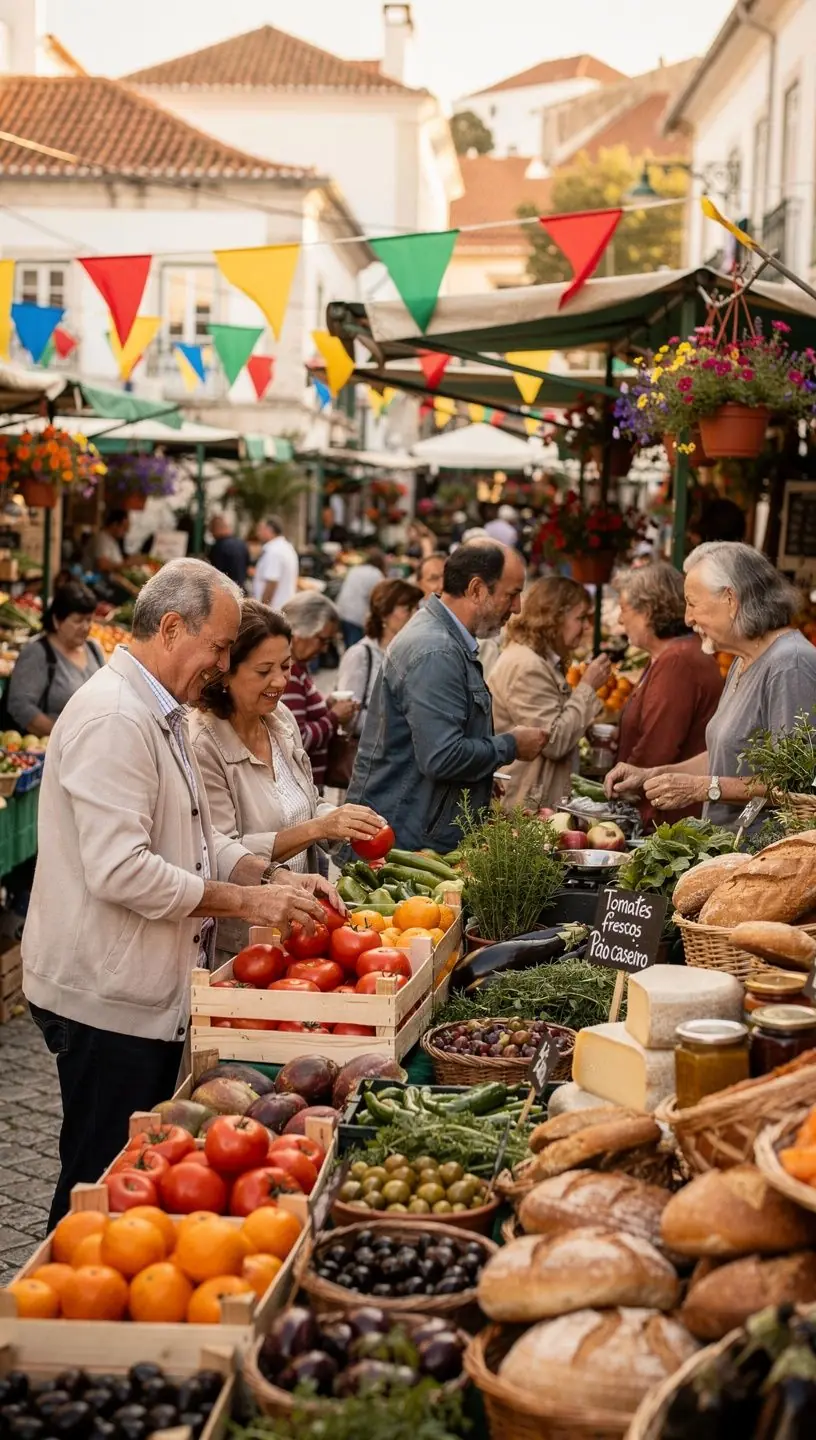
"Local events not only support the economy but also foster connections among community members," says Dr. Lisa Thompson, a sociologist specializing in community dynamics.
Community Engagement through Local Events
Engaging in seasonal events can have several benefits for individuals and communities alike:
- Economic Support: Events often stimulate local economies by attracting visitors who spend on food, crafts, and entertainment. According to studies, local events can increase business revenue by approximately 15-25% during peak times.
- Social Interaction: Events provide opportunities for attendees to meet new people and strengthen existing relationships. Many users report that these gatherings help combat feelings of isolation, which is particularly significant for the 40-60 age group.
- Cultural Preservation: Seasonal events often celebrate local traditions and cultural heritage, helping to keep these practices alive. This works because they create a platform for sharing stories and experiences that reflect the community’s identity.
Recognizing the Limitations
While participating in seasonal events can yield numerous benefits, it’s essential to recognize their limitations. For example:
- These events typically require advance planning and coordination, which might not be suitable for everyone’s schedule.
- Participation often involves a time commitment, usually spanning several hours to a full day.
- Events may not appeal to all individuals, especially those who prefer quieter, more intimate gatherings.
How to Get Involved
If you’re looking to actively engage in your community through seasonal events, consider the following steps:
- Research local calendars or community boards to find upcoming events in your neighborhood.
- Plan ahead by setting aside time in your schedule to attend these gatherings.
- Connect with local organizations that host events, as they often welcome volunteers or participants who wish to help out.
Conclusion
Seasonal events are more than just entertainment; they are vital for community engagement and social connection. By participating, individuals not only enrich their own lives but also contribute to the collective well-being of their neighborhoods. The impact of these gatherings can be profound, leading to stronger community ties and a more vibrant local culture. Remember, while engaging in these activities may require some effort, the potential benefits for both you and your community are well worth it.